

I recently attempted to teach the basics of sound engineering to my tech theatre class. It is tough to teach large classes a subject that I think is best learned hand on when there isn’t enough equipment to go around. I was hoping to keep it simple.
The role of a sound system is to amplify and adjust the sound quality of an audio signal and to provide an output for a speaker system. There are 4 basic stages… input, mixing/effects, amplification, and output.

The first step is input. The mic captures the sound and converts the sound wave to electric impulses that can be fed to the rest of the system. The microphone is a “transducer” that converts acoustic sound into electrical signals that can then be processed and amplified by the system. Audio players convert the sound data encoded on a recording into electrical signals that can then be processed and amplified by the system. The audio players most familiar to theatre would be a CD player or portable digital audio players.
The signal is sent down a wire to a mixer or processor that might mix a variety of input sources and/or add effects. The channel control allows adjustment of level (volume) and tone for each input signal. The gain control adjusts the amount of pre-amplification applied to low-level input signals. (FYI. microphone signals have a low-level output compared to audio players or “line-level signals”). Many mixers feature a three or four band equalizer on each input channel that can tailor the sound for the best blend with the other input signals and possibly help prevent feedback. Auxiliary sends are branches off the main signal flow. They are used to divert some of the signal to external effect units or to monitors for the performer. The channel fader is used to adjust the level of each signal. The main reason for this adjustment is to balance between the various input signals to create the desired “mix.” (the signals are electronically combined at specific levels). The overall level of the mixed signal is controlled by the stereo out master fader. This signal is sent to the amplifier through the stereo out connector. The amplifier amplifies the mix and processed audio signal to a level that is sufficient to drive the speaker system.
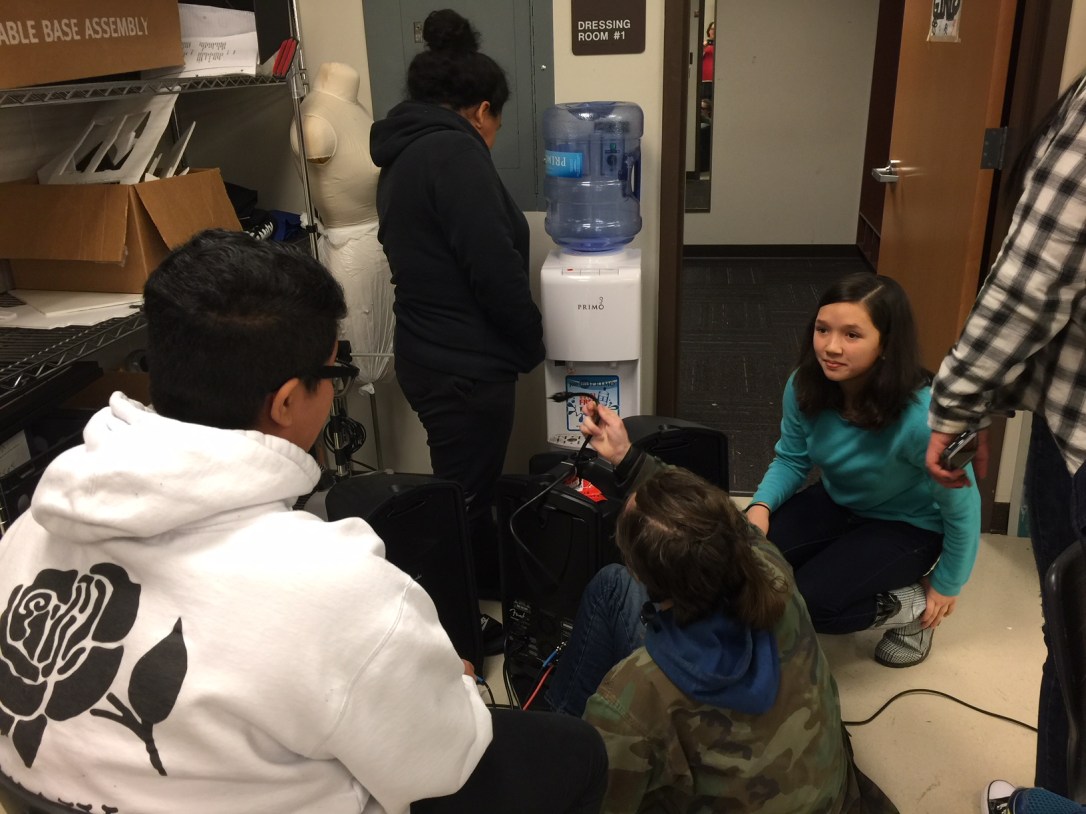
The last thing in the path of sound consists of the speakers that convert the amplified electrical output from the power amp back into acoustic sound that we can hear.
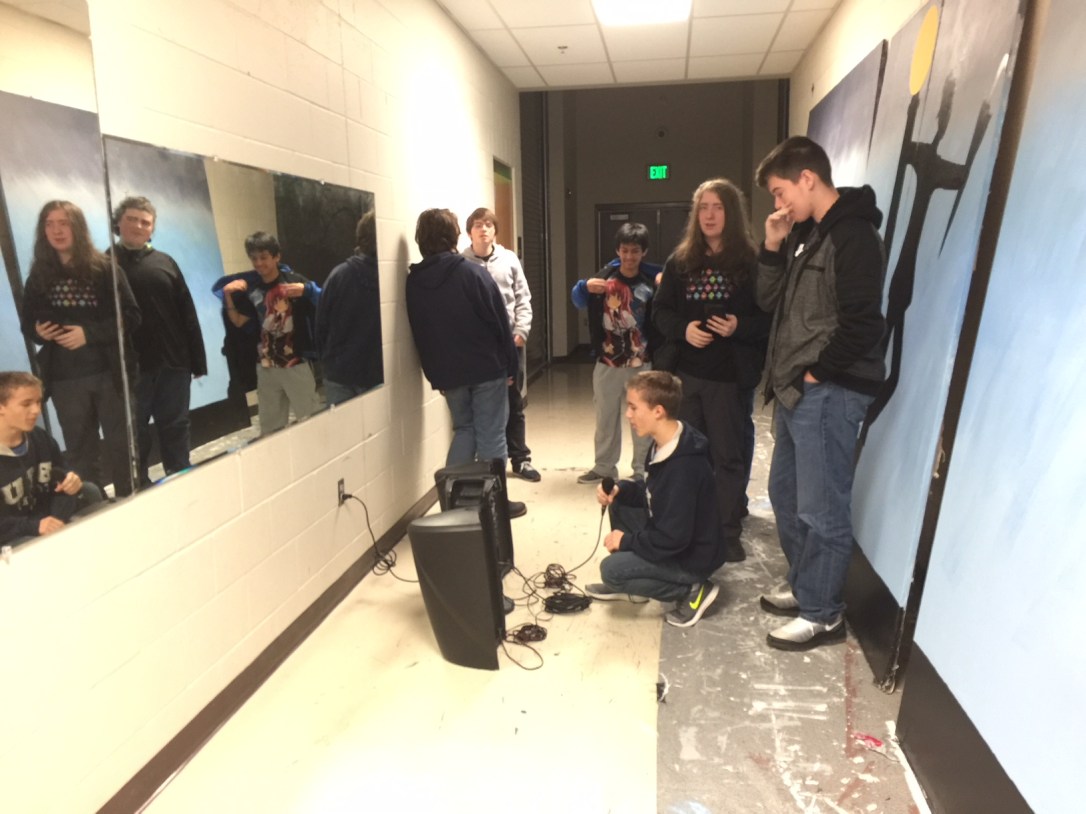
I use the portable sound systems the school owns to teach sound basics. After messing around setting up and taking down these little sound system, the students are able to trouble shoot a few basic sound issues within a system. At the end of the week we have a relay race setting up and taking down the sound system just for fun.

 Resigning as the General Manager of the Universe
Reblogged this on Resigning as the General Manager of the Universe and commented:
Learning something new is worth the effort!
LikeLike